Black Mirror #18. Turbogenerator for drones, robotic assault complex, jet-powered Shaheds and other novelties of Russian miltech
Review of new Russian miltech developments at the turn of July and August
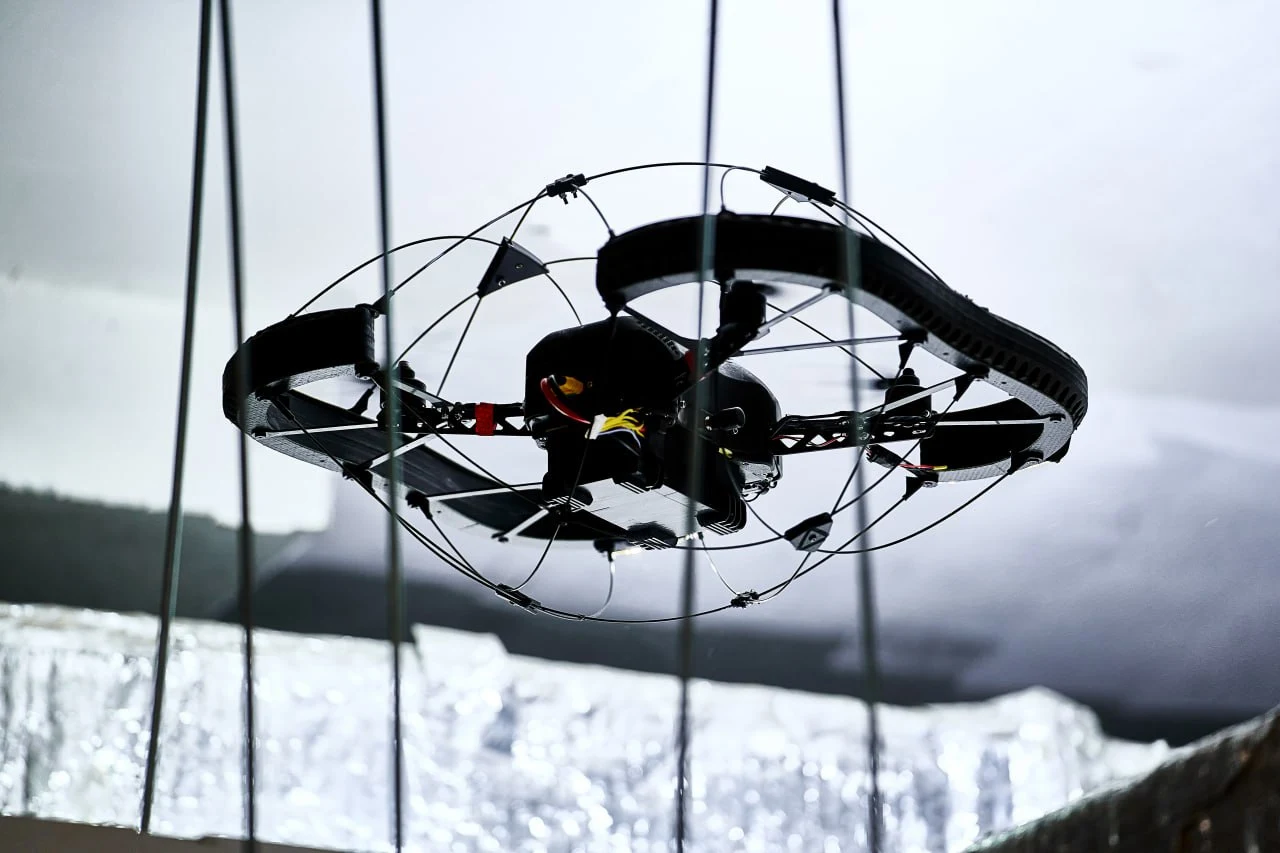
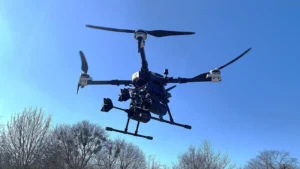
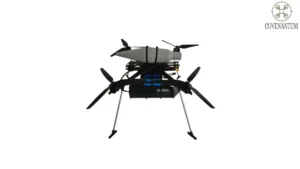
Drone for industrial inspections at the Center for Unmanned Aerial Systems at Innopolis University / Source: Internet
This week, Russia began using jet-powered kamikaze drones in attacks on Ukrainian cities, reaching speeds of up to 500 km/h. More on this — in “Black Mirror” #18, the weekly digest of emerging Russian military technologies prepared by the Defender Media editorial team to raise awareness among Ukrainians and their allies.
Also in the spotlight this week: Russian efforts to replace foreign-made components and technologies, including turbogenerators, flight controllers, drone batteries, and more.
Turbogenerator for hybrid drones
The United Engine Corporation (UEC) from Rostec has developed a 400 kW turbogenerator based on the VK-650V engine for light helicopters. In the future, it is planned to be used in hybrid aircraft, particularly for operation in the northern regions.
The VK-650v was modified for the new product. Electricity is generated by a high-speed rotor rotating at a frequency of tens of thousands of revolutions per minute. The power electronics unit converts alternating current into direct current with the required voltage level. A liquid cooling system reliably operates the unit. The turbogenerator’s advantages are its low weight (200 kg) and high resource indicators.
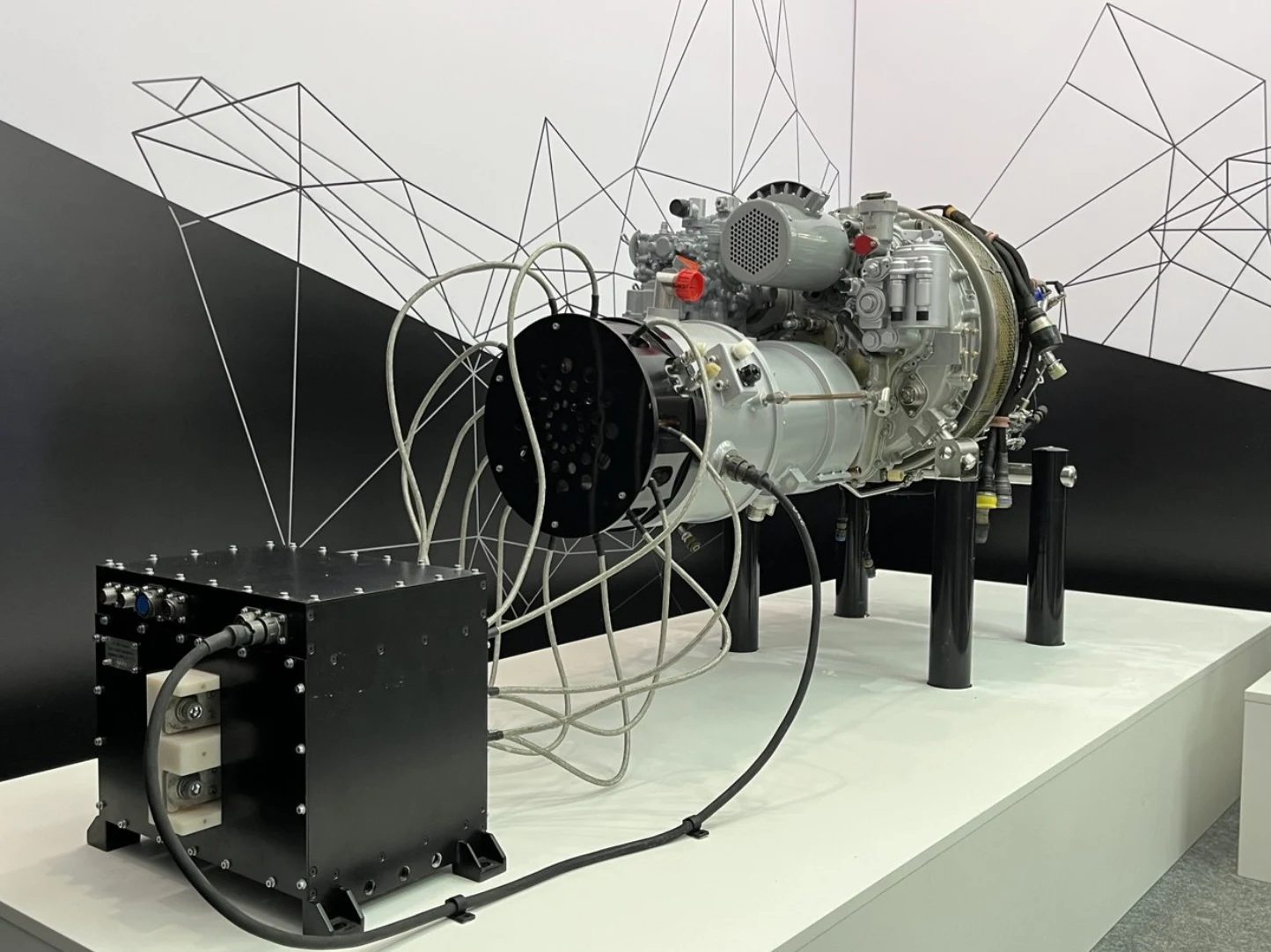
It is planned that the gas turbine drive’s resource will be at least 4.5 thousand hours for the main parts of the hot part and 9 thousand hours for the main parts of the cold part, and the generator’s resource will be at least 10 thousand hours.
Radar for detecting UAVs
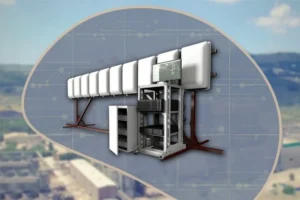
Representatives of the Russian Vector Research Institute have developed a new radar. This is a three-coordinate passive coherent locator (3D PCL), designed to detect low-visibility objects, particularly fibre-optic drones, light-engine/stealth aircraft and UAVs. The key advantage of the new system is the complete absence of its own radiation, which makes the locator invisible to radio reconnaissance equipment.
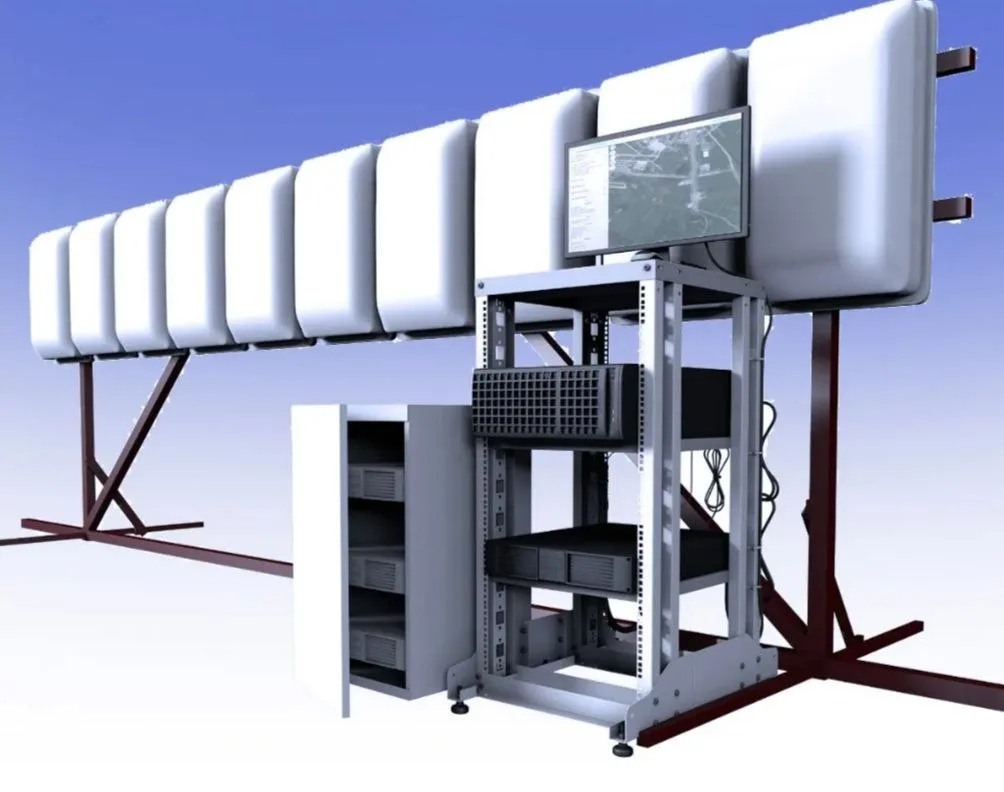
By analysing the phase and amplitude of the received signals, the locator determines the exact coordinates of the target in azimuth, range and altitude, ensuring the detection of light-engine aircraft at a distance of several tens of kilometres. The device remains operational in a complex radio-technical environment, effectively functioning in urban areas by processing repeatedly reflected signals.
Unlike optical and infrared complexes, the passive locator remains effective regardless of weather conditions and time of day.
Robotic assault complex
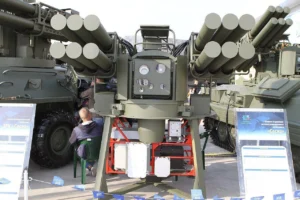
The Russian military demonstrated the heavy robotic assault complex Sturm from UKBTM. It is made on the basis of T-72/T-90; in particular, it has similar additional launching turrets (probably for jet flamethrowers), additional dynamic protection blocks, as well as a shortened 125 mm gun. Remote control of the equipment was planned, but whether this was implemented in life is still unknown.
The command vehicle was also created based on T-72/T-90, and it was planned to implement the control of the heavy robotic assault complex Sturm.
Power plants for heavy drones
The UEC also showed power plants for heavy drones. At the forum Arctic – Regions, the corporation showed the EU-35 gasoline generator based on a Russian piston engine, which has no analogues on the Russian market. It can also be used in unmanned systems in the air and on the ground – the unit’s power is 35 kW, and its weight is 105 kg. The development can operate at temperatures down to -40 degrees, which allows it to be used in Arctic conditions.
Software for controlling drones via cellular communication
Software for controlling drones via cellular communication was tested in Siberia. The developer was the Siberian State University of Telecommunications and Informatics and the Yadro company. Previously, video content was transmitted using open-source software developed abroad, but open source is no longer used in the new development.
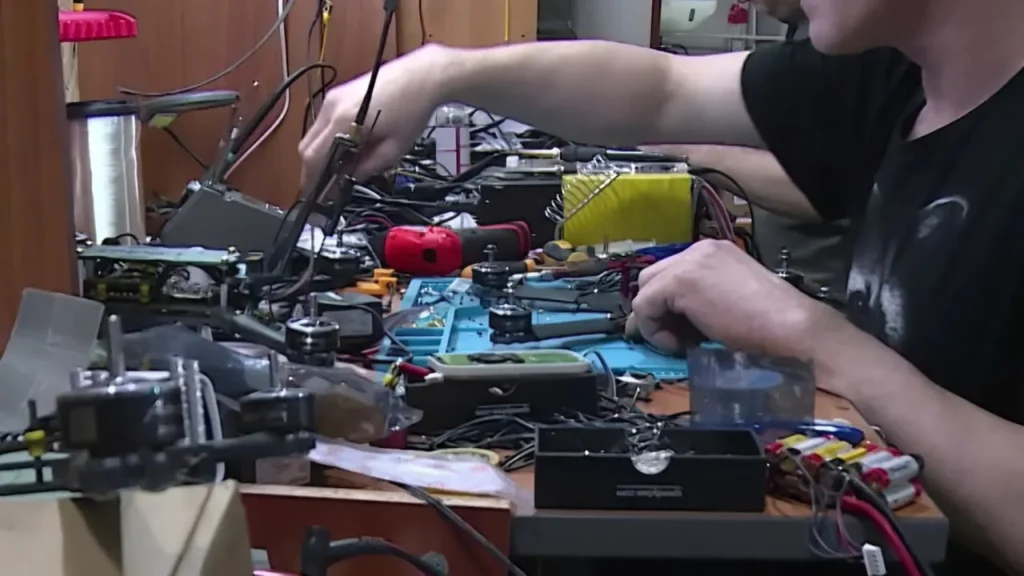
Next year, the developers promise to combine the software with a Russian component base, and this will be an almost entirely Russian-made UAV.
Flight controller production
The Moscow company Industrial Component has set up a production facility at the Alabushevo site for microchips and “electrical products” with a capacity of up to a thousand flight controllers per shift and up to 500 server motherboards per month.
The controllers are not well-detailed, but according to the company’s CEO, they provide sufficient computing power for stable drone flight and real-time signal processing. They are used in copters designed for various purposes.
AI for analysing data from UAVs
Rosseti is creating artificial intelligence to track and automate the processing of monitoring data received from UAVs. The corresponding tender has appeared on the state procurement portal.
Company statistics for 2020-2022 show an annual increase in accidents “due to unsatisfactory technical condition of equipment and untimely detection of defects.” In 2021, the increase in the causes of accidents due to untimely detection of defects more than doubled. Developing an AI system should eliminate the risk of increasing accidents related to the human factor.
Drone for industrial inspections
Engineers from the Center for Unmanned Aviation Systems of Innopolis University have created a drone with a SLAM system that can fly without GPS at a distance of up to 1000 meters, avoid obstacles, and intelligently return to base.
Such a drone is intended for autonomous research, scanning, and monitoring of mines, tunnels, tanks and other complex and hard-to-reach objects.
Batteries for UAVs
The production of batteries for UAVs has been launched in St. Petersburg. According to the executive director of the Kravt Group of Companies, the line was designed to meet the needs of up to 200,000 batteries per month with the possibility of expansion.
In the St. Petersburg Technopark, where the company is a resident, they say that previously, such batteries were mainly supplied from China. Separately, the developers note the possibility of charging batteries even at low temperatures, which is especially important for polar latitudes.
Increased production of fibre-optic FPV drones
Rostec Holding’s Rosel has launched mass production of pyrotechnic igniters for drones. The device includes a special film with the effect of high-temperature synthesis, which is self-expanding. It provides instant heating to more than 1000°C. In drones, igniters actuate circuit breakers to release the payload.
In addition to UAVs, the devices can be used:
- in microsatellites – for electrical activation of pyrotechnics to create an emission of energy gases in orbit correction devices;
- in the mining industry – for activating pyrotechnic charges during mineral extraction.
Jet-powered Shaheds
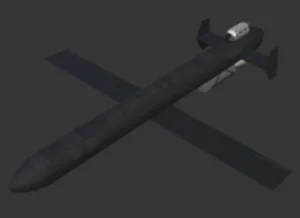
During the latest air attacks on Ukraine, Russia began using a new type of strike drone – the jet-powered Shaheds. For the first time, the Ukrainian military recorded up to eight jet drones on July 30. According to a military expert in the field of drones and electronic warfare, Serhiy Beskrestnov (Flash), this is the enemy’s response to the success of Ukrainian anti-aircraft interceptor drones. However, he assured that it’s possible to shoot down such targets.
Jet Shaheds have a much higher speed than conventional ones. It can exceed 500 km/h, and regarding flight parameters, these UAVs resemble cruise missiles. Such drones also have a more extended flight range of up to 2,500 km. Speed and manoeuvrability make them much more difficult to detect and intercept.
By submitting this form, you give Defender Media consent to the processing of personal data.
Надсилаючи цю форму, ви надаєте Defender Media згоду на обробку персональних даних.
Latest news
1
Volodymyr Zinovskyi has replaced TAF Industries founder Oleksandr Yakovenko as the company’s CEO
2
Skyeton unveils a version of Raybird UAV with a hydrogen-powered electric motor
3
The Ukrainian Council of Defence Industry launches the UCDI Investor Club. Its first project is a Ukrainian defence tech dealbook
4
Ukrainian CHUMA fibre-optic drones debut on Brave1 Market — carry up to 4 kg
5