Ukrainian-US interceptor drone startup Thermopylae raised $1.6M
A 21-year-old Ukrainian self-taught engineer, Yehor Balytskyi, has launched a US-based startup that caught investors’ attention fast
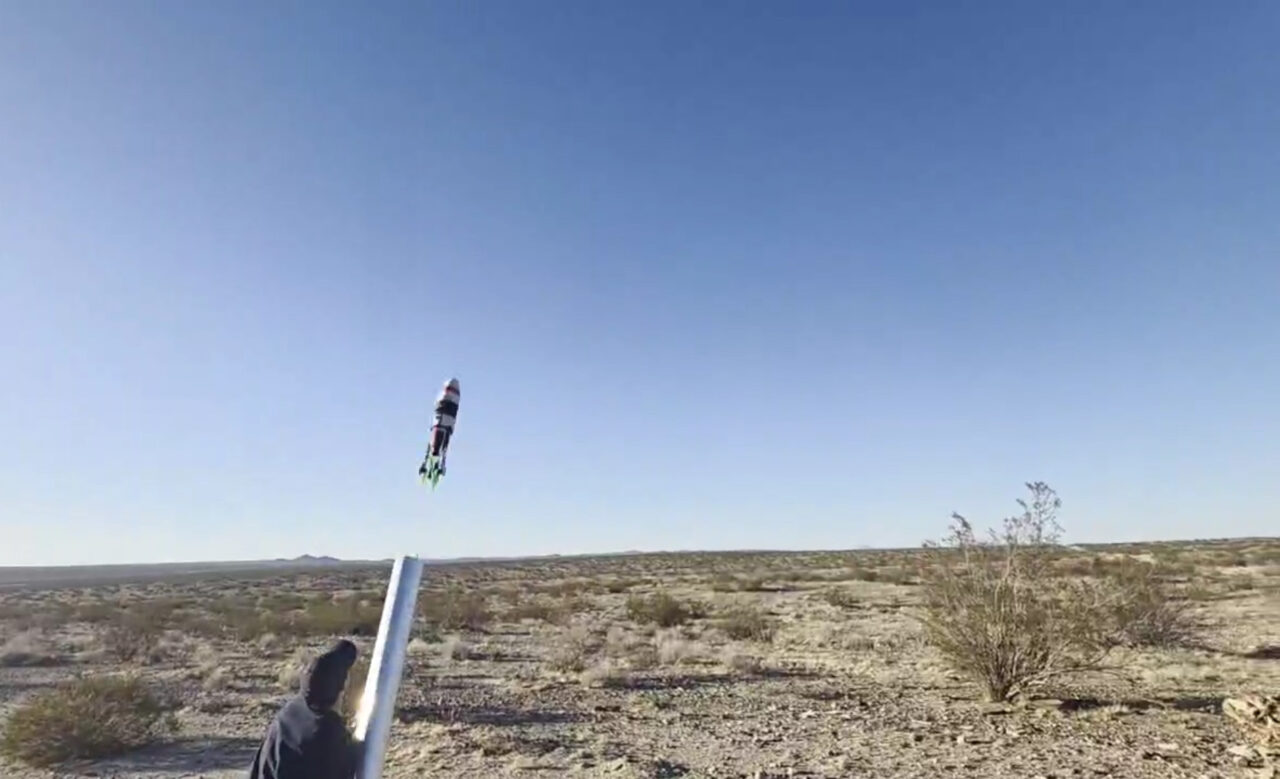
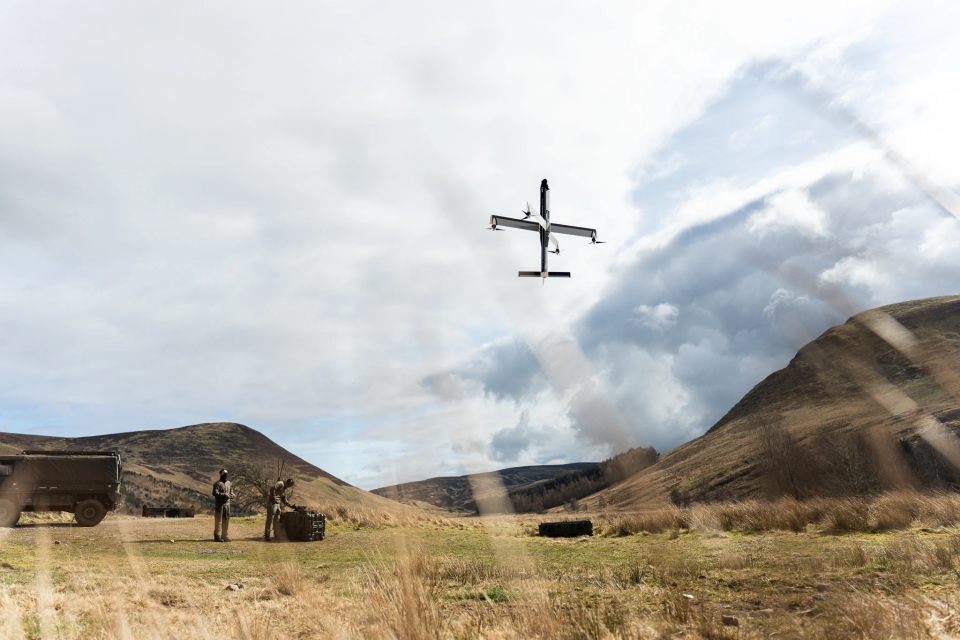
Thermopylae’s interceptor during a test launch. Image: Thermopylae (from Tectonic's article)
The defence tech startup Thermopylae, founded in June 2025 in the United States by Ukrainian engineer Yehor Balytskyi, has raised $1.6M in pre-seed funding. The news was reported by Tectonic. Investors include UA1, Norgard Capital, Naval Ravikant, as well as angels from SGA Capital, Cyrus Ventures and others.
Balytskyi is a self-taught engineer who left Ukraine at the age of 17 after the full-scale invasion began. He completed the Entrepreneurs First accelerator programme in London and worked at several European tech companies. In early 2025, Balytskyi moved to the United States, where he met Thermopylae’s co-founder, Carter Scherer.
Balytskyi and Scherer took part in several hackathons and launched Thermopylae in June. That same month, the team received its first cheque from the California accelerator Founders.
The interceptor developed by Thermopylae is rather unconventional: it is an ultra-light modular copter launched from a tube similar to a mortar. It uses thermal guidance to destroy glide bombs and strike drones such as the Shahed. Powered by an electric motor, the interceptor can reach speeds of up to 350 km/h with a flight time of up to 20 minutes. Its software will be integrated with Ukrainian situational awareness systems.
The drone’s expected unit cost is under $10,000. The Thermopylae interceptor is also partially reusable: if it misses its target and crashes, it can be recovered and rebuilt.
“Thermopylae combines two qualities that are extremely important to UA1 at this stage—deep technical expertise and rapid speed of execution,” UA1 principal Ivan Taranenko told Tectonic. “The founders bring a strong aerospace and mechanical engineering background, and they’ve shown they can turn ideas into a functional MVP in a matter of weeks.”
UA1 and Thermopylae’s shared roots were a plus, too. “We met through our shared Ukrainian defense network, and the alignment was almost immediate,” Taranenko added. “Yehor and I are both Ukrainians, and we’re both focused on solving one of the most significant problems of modern warfare: stopping low-cost, high-volume deep-strike threats.”
With $1.6M raised, Balytskyi plans to return to Ukraine to begin testing the interceptor with frontline units and to build out manufacturing capacity.
“There are so many solutions out there against drones that never deploy in an actual battlefield,” Balytskyi said. “We want to make sure that from the actual start, from a pre-seed funding round, we’ll deploy it in Ukraine, and we’ll show the world, whether we fail or not, we will still take this risk and go and test it with the soldiers. I’m Ukrainian myself, so I don’t want to waste their time, but I want to provide them with this value.”
By submitting this form, you give Defender Media consent to the processing of personal data.
Надсилаючи цю форму, ви надаєте Defender Media згоду на обробку персональних даних.
Latest news
1
Volodymyr Zinovskyi has replaced TAF Industries founder Oleksandr Yakovenko as the company’s CEO
2
Skyeton unveils a version of Raybird UAV with a hydrogen-powered electric motor
3
The Ukrainian Council of Defence Industry launches the UCDI Investor Club. Its first project is a Ukrainian defence tech dealbook
4
Ukrainian CHUMA fibre-optic drones debut on Brave1 Market — carry up to 4 kg
5