Black Mirror #27. Izdelie 545, Shaheds against moving targets, FPV with submunitions AO-2.5RT and other new Russian miltech innovations
Overview of Russian military technology developments in the first week of October
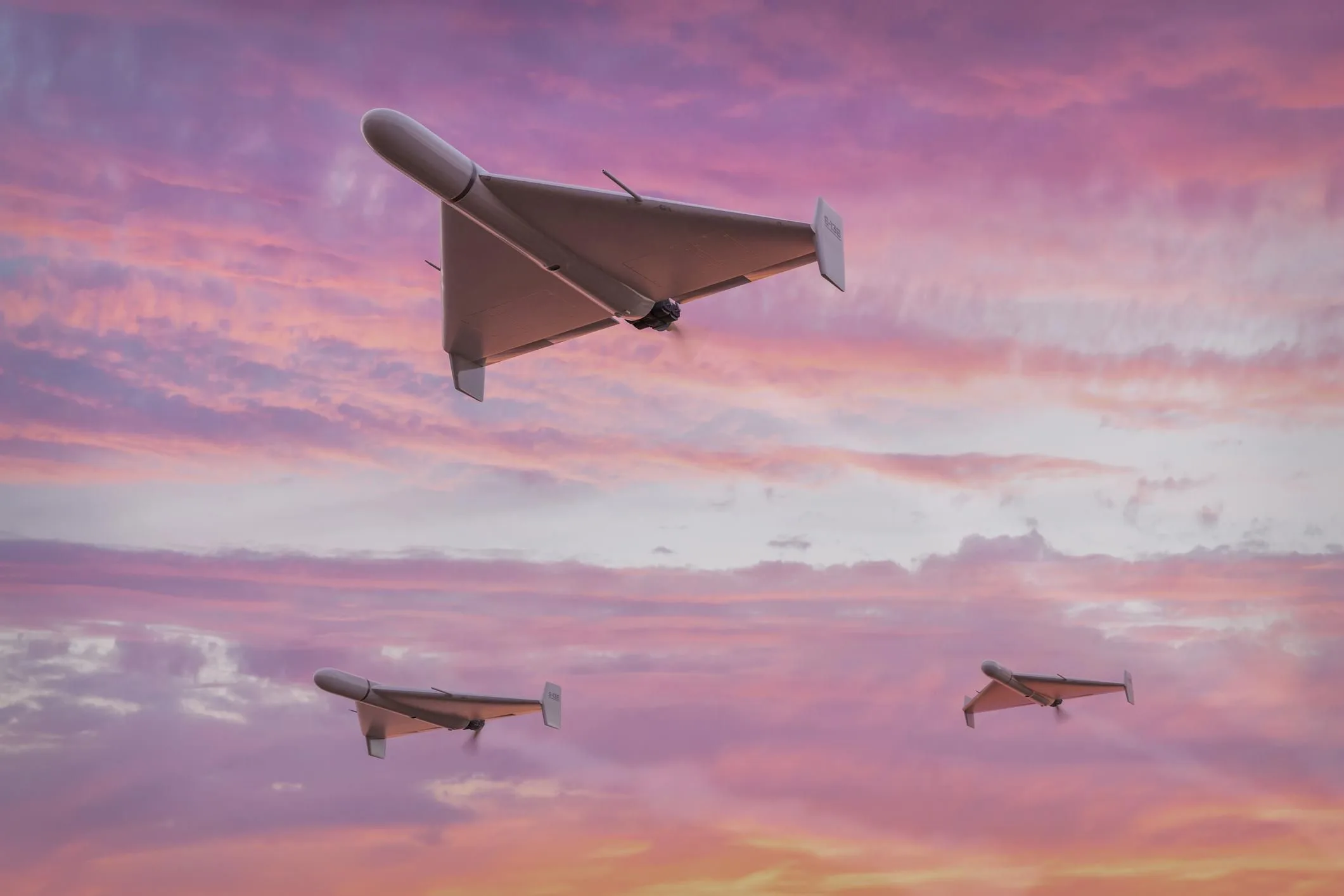
“Shaheds” have learned to hit moving targets / Illustrative photo Getty Images
Shaheds have learned to hit moving targets, and that is bad news for Ukrainian military and civilian logistics. Meanwhile, Russian developers are working on counter-drone tools — in particular, kinetic weapons for shooting down UAVs and systems for detecting drones by sound.
Read about these and other enemy military tech novelties in Black Mirror #27. This compilation by Defender Media is prepared to inform the Ukrainian military and developers about the challenges they should be prepared for.
“Izdelie 545” can supposedly destroy drones within a radius of 100–150 metres
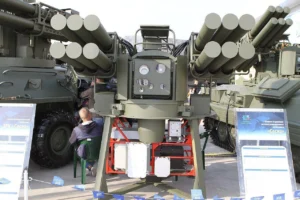
Russian specialists conducted tests of the kinetic weapon “Izdelie 545” for destroying unmanned aerial vehicles as part of the “New Russian Technologies” project, the developer company said.
“The weapon allows drones to be eliminated using any standard firearm a soldier is equipped with. The device’s body is fired toward the target and strikes the drone,” TASS quotes the developers.
Currently, the device is in the stage of scientific development. “When used, the communication elements of the UAV are damaged, and the drone falls,” clarified a representative of the developer company.
Acoustic drone detection system
A Khabarovsk engineer has been allocated 10 million rubles to develop a system capable of detecting drones by sound. The device, which is mounted on a helmet, “hears” an approaching drone, isolates the characteristic propeller tone from the overall sound spectrum, and indicates the direction of approach.
It is stated that the device will have high localisation and will be almost entirely domestically produced.
The system is being developed in collaboration with the company Tordoki and the Khabarovsk Region Engineering Centre. The project will receive 10 million rubles in support under the TechnoVostok 2030 program, which was created with the support of Vnesheconombank.
Conversion of the AO-2.5RT aviation submunition
Russian military forces have begun converting AO-2.5RT aviation submunitions for use with strike drones. During the modification process, the standard fuze is removed and replaced with an Electrodetonator with a platinum-iridium bridge and an impact sensor.
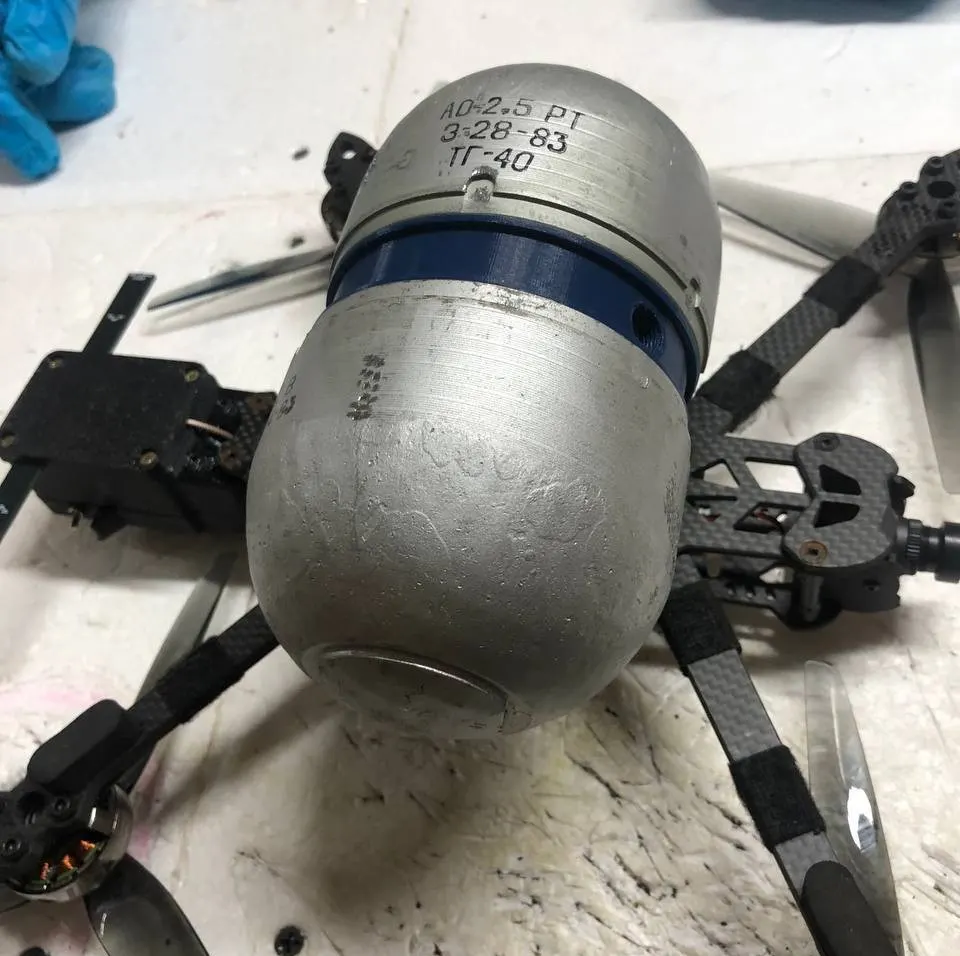
To integrate the explosive device with the drone, the Russians manufacture a special intermediate sleeve using a 3D printer. Plastic explosive is additionally added to the submunition to increase the overall charge power.
Multi-purpose armoured pickup Legionnaire
In Russia, the multi-purpose armoured pickup, the Legionnaire, from Russkie Boevye Mashiny, was unveiled.
According to reports, the 4×4 platform is designed to bridge the gap between unarmored military vehicles and heavier armoured personnel carriers, such as the BTR-82A.
Externally, the Legionnaire resembles the Soviet armoured personnel carriers BTR-40 and BTR-152, but it features a modern component base and updated specifications to meet current operational needs.
The vehicle is built on a 4×4 chassis with an armoured cabin and an open cargo platform. The rear compartment can be used for transporting supplies, carrying personnel, or mounting a turret with a machine gun.
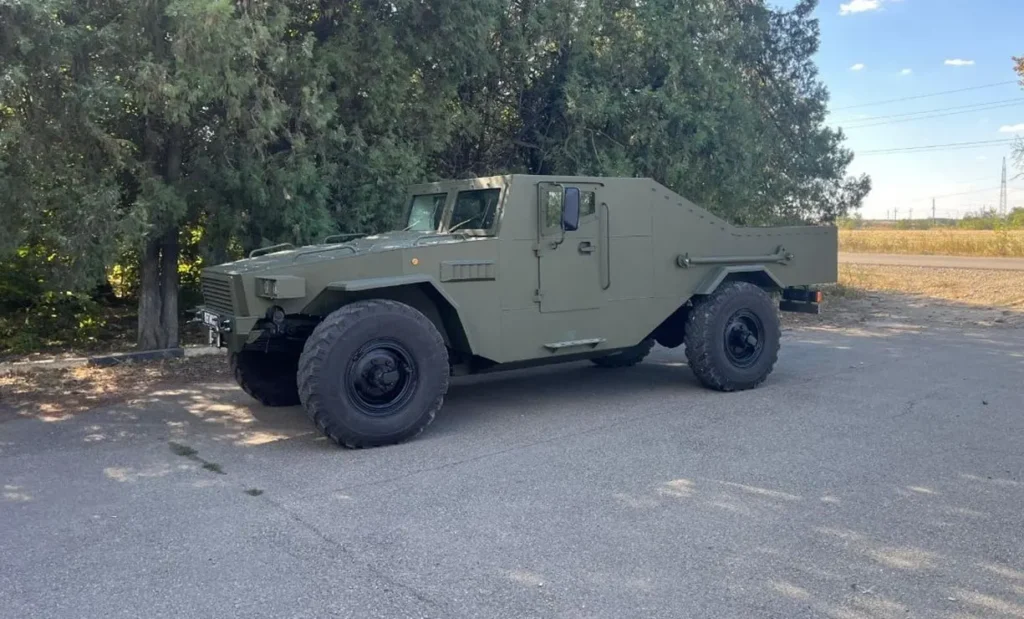
The vehicle has a BR 5 protection level — the armour can withstand fragments and a shot from an SVD rifle with a 7.62×54 mm steel-core bullet from 10 meters. The vehicle weighs 6.5 tons and has a payload capacity of 2.5 tons. Its maximum speed is 100 kilometres per hour, with a range of 750 kilometres.
The pickup is equipped with a YaMZ-234 engine producing 200 horsepower. This diesel engine is known for its reliability and low maintenance requirements, which is especially important for vehicles operating in challenging conditions.
Manufacturing propellers for FPV drones
The company Rokot Tech from Yaroslavl has launched the production of propellers for FPV drones, which are used in combat zones. The products are made from domestic materials.
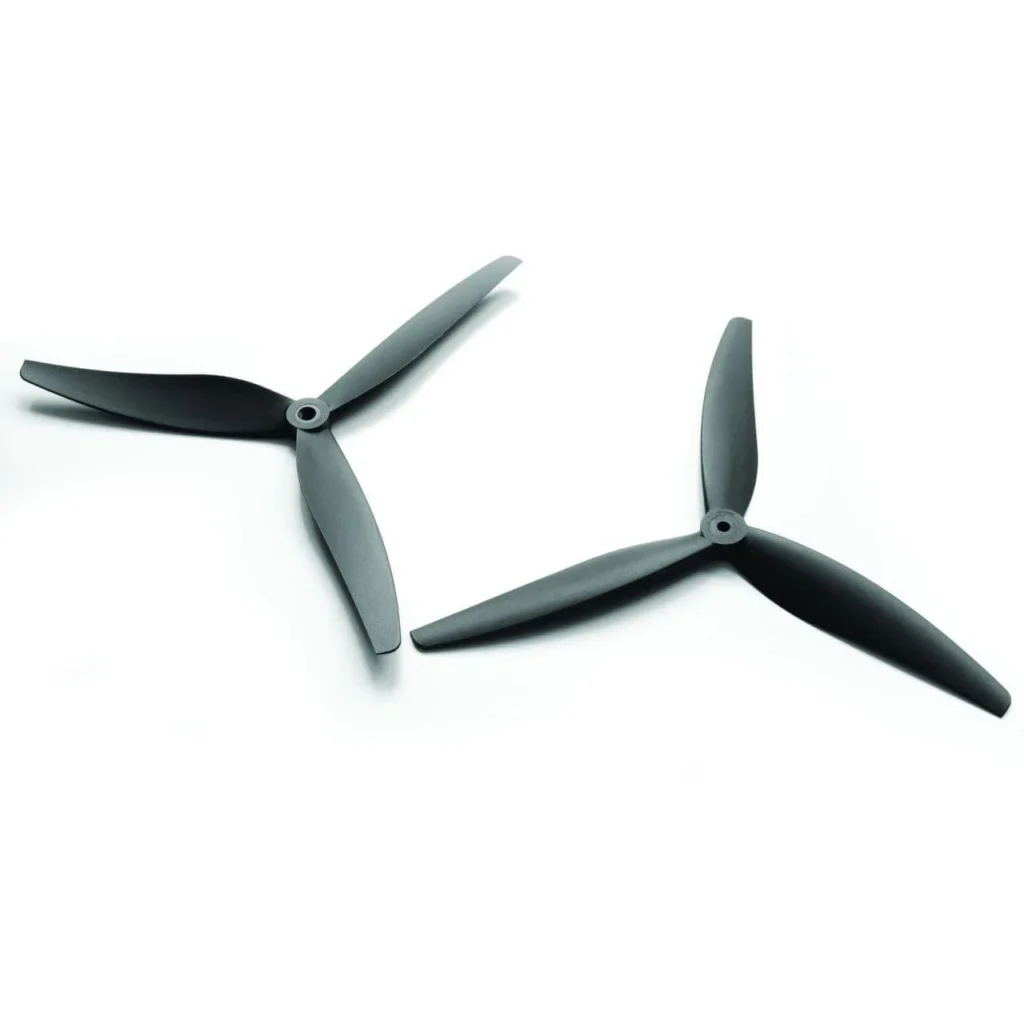
The current production capacity allows for 20,000 sets of propellers of each type per month. Several tens of thousands of sets have already been manufactured. The most in-demand propellers on the front are 9- and 10-inch versions for strike drones. The 10-inch version is produced in two modifications: standard — for long-range flights, and reinforced — for active manoeuvring with a payload.
Representatives state that product quality is ensured through strict control. Every hundredth casting is tested on a vibration stand, and engineers promptly readjust the equipment for domestic materials.
The cost of Russian propellers is lower than that of their Chinese counterparts, while their quality is not inferior.
Shaheds begin striking moving targets
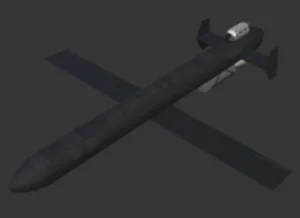
A new model of Russian Shaheds equipped with a night camera has been used to locate and strike a Ukrainian railway echelon while it was in motion.
The first use of Russian Shaheds with an optical system and radio control was recorded in June, when Ukrainian forces shot one down in the Sumy direction.
Soon after, the analytical unit of the Main Intelligence Directorate of the Ministry of Defence released a report confirming the drone’s Iranian origin based on its distinctive construction, fuselage materials, and the type and layout of its electronics. This is a significant point, given that the base model of the long-range drone is now almost fully localised and independently produced in Russia.
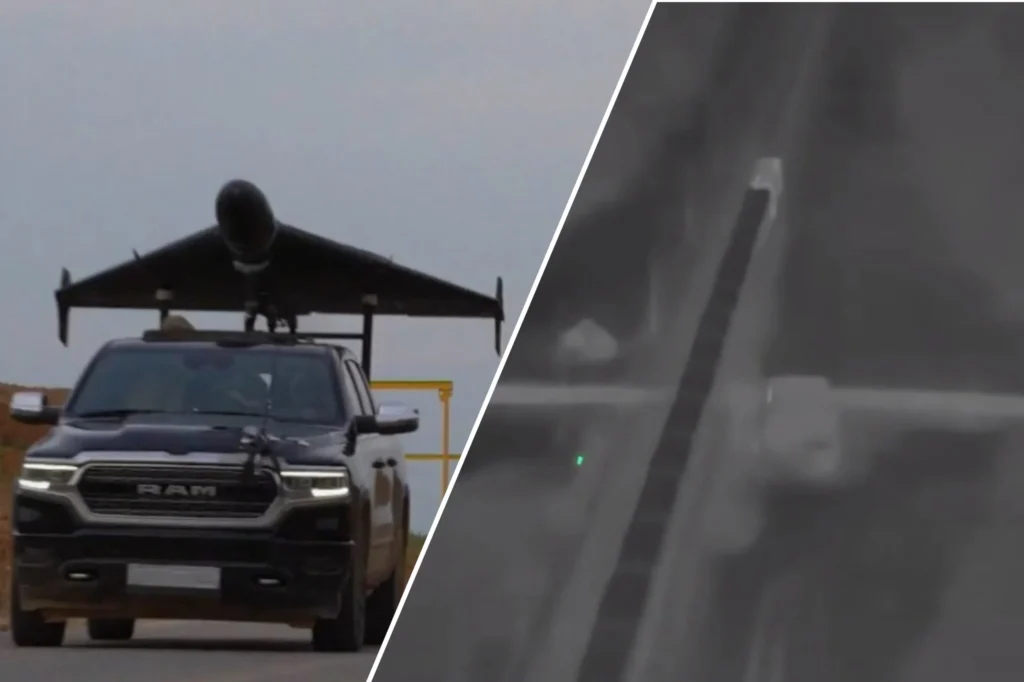
Among the wreckage, a high-performance Nvidia Jetson Orin mini-computer was found, which is used for video processing and could perform autonomous target-search tasks by comparing what it “sees” with preloaded models in memory.
However, in the released footage of the strikes, the drones maintained direct communication with Russian operators, indicating a built radio link via relays or a nearby ground relay station close to the target.
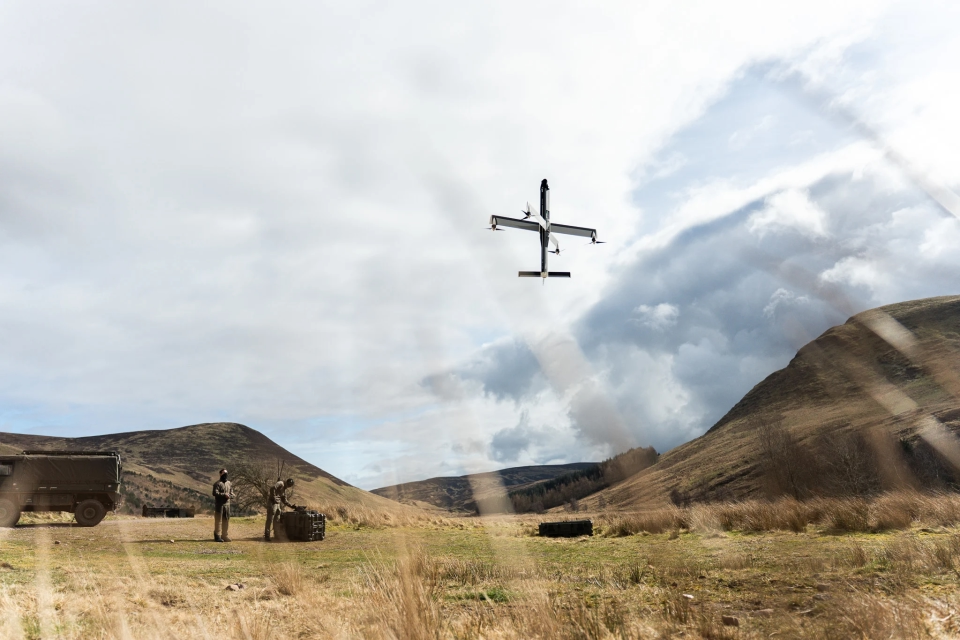
Air launch system for UAVs
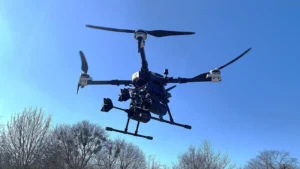
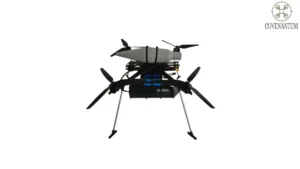
The company KINGPRO presented an air launch system for UAVs Sekira Prizrak — a fixed-wing drone is lifted into the air by a copter, which allows saving up to 20% of the battery energy consumed during takeoff. This makes the launch process safer, and the flying droneport can also serve as a relay.
According to the Centre for Unmanned Systems and Technologies, Sekira Prizrak is a unique development, and the company is the first in the world to be ready to implement this technology on a mass scale.
By submitting this form, you give Defender Media consent to the processing of personal data.
Надсилаючи цю форму, ви надаєте Defender Media згоду на обробку персональних даних.
Latest news
1

Volodymyr Zinovskyi has replaced TAF Industries founder Oleksandr Yakovenko as the company’s CEO
2
Skyeton unveils a version of Raybird UAV with a hydrogen-powered electric motor
3
The Ukrainian Council of Defence Industry launches the UCDI Investor Club. Its first project is a Ukrainian defence tech dealbook
4
Ukrainian CHUMA fibre-optic drones debut on Brave1 Market — carry up to 4 kg
5