How ground robots are creating a new revolution in warfare. Key insights from the film of the 3rd Assault Brigade on the use of UGVs
80% of the battalion’s logistics are carried out exclusively using unmanned ground complexes
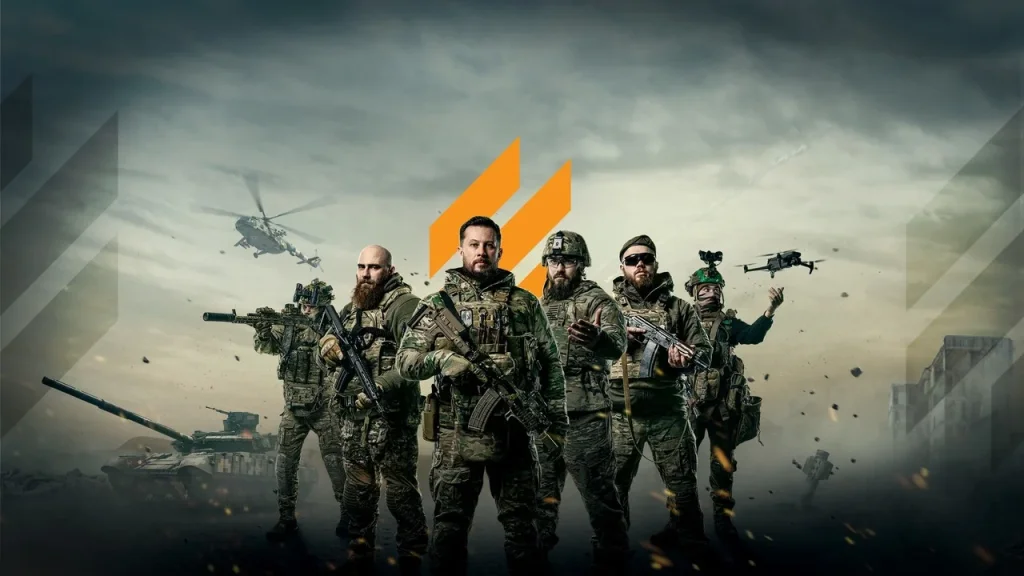
Photo by 3rd Separate Assault Brigade
The commander of the UGV unit NC13, call-sign Makar, says he goes to the position not with a weapon but with a keyboard, which symbolises the changing character of modern warfare.
The Third Separate Assault Brigade is considered the most technologically advanced in the Armed Forces of Ukraine. In a new documentary film, fighters of the Third Assault tell about the work of the UGV unit and show unique combat footage. Defender Media recounts the most interesting parts of the film.
UGVs as “combat Glovo”
UGVs have become a key element of the brigade’s combat operations and logistics. Eighty per cent of the battalion’s logistics are carried out exclusively using unmanned ground vehicles. This makes it possible not to risk the lives of infantry, reduces personnel losses during logistics tasks, increases the effectiveness of defensive structures and speeds up their construction.
The first practical use of UGVs in the brigade took place during heavy fighting for Orlivka, where the enemy actively controlled all logistics routes. Fighters with the call-signs Chimera and Zador were the first to successfully establish this process, and it was from those battles that the entire UGV development phase and creation of the relevant unit began.
UGVs perform the role of “courier delivery on the battlefield”, like Glovo, taking orders from infantry for everything necessary to hold the defensive line.
The UGV workshop and a creative approach
The main element ensuring the functioning of the UGV unit is the workshop, without which, according to the commander, effective work is impossible. It is critically important because the delivery of necessary spare parts can take from three to five days. Therefore parts that can be manufactured on site are made by hand. For this purpose a variety of improvised elements are used: from a quad bike winch and a car window regulator to components “borrowed” from household mechanisms. In this way the workshop ensures continuous operation of the complexes under front-line conditions.
Selection of personnel for the workshop is based not only on technical skills such as welding or tightening bolts, but also on creativity and the ability to modernise. Effectiveness depends on the people themselves, and specialists for the workshop are chosen so that they can both modernise existing assets and simultaneously develop certain modules for them.
According to Makar, foreign equipment “designed for war” mostly does not pass field tests in conditions of combat engagement where there is EW and anti-personnel mining. The uniqueness of the workshops’ work lies in the constant creative refinement and adaptation of NRKs to the realities of modern technological warfare.
Combat and humanitarian missions
The specific combat role of UGVs is the destruction of engineering structures and shelters where the enemy may concentrate, or the neutralisation of enemy personnel. NRKs have an advantage over UAVs because they can carry a larger quantity of explosives or munitions. Reducing infantry participation in combat is the main task in modern conditions. For this purpose UGVs with combat modules are used — machine-gun, grenade-launcher or flamethrower modules. Now machine-gun positions that previously had to be emplaced 1.5–2 km away can operate directly at the front or enter the enemy rear, providing mobility and fire support.
Separately, thanks to the UGV Zmiy, the unit delivered three aerial bombs with a total weight of 750 kg to a crossing behind enemy lines. Despite communication problems and the fact that the robot “got stuck”, operators were able to reach the end point and execute a powerful explosion. The dam demolition was successful and yielded a strategic result: it allowed the postponement of enemy assault operations.
UGVs also perform a humanitarian mission. Fighters on positions where there is no communication write letters to their families. These letters are placed in UGVs, which deliver them to the rear, where commanders photograph them and send them to the families. This allows fighters to communicate with relatives and gives families less cause for worry.
By submitting this form, you give Defender Media consent to the processing of personal data.
Надсилаючи цю форму, ви надаєте Defender Media згоду на обробку персональних даних.
Latest news
1
Volodymyr Zinovskyi has replaced TAF Industries founder Oleksandr Yakovenko as the company’s CEO
2
Skyeton unveils a version of Raybird UAV with a hydrogen-powered electric motor
3
The Ukrainian Council of Defence Industry launches the UCDI Investor Club. Its first project is a Ukrainian defence tech dealbook
4
Ukrainian CHUMA fibre-optic drones debut on Brave1 Market — carry up to 4 kg
5