Black Mirror #12. Computer vision in Shaheds, plus “Dronoboy,” “Serp,” “Bulat-Online,” and other additions to Russian miltech
Review of Russian military innovations for the third week of June

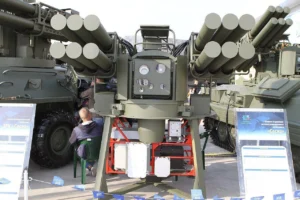
EW Serp, source: Internet
Russia is already using Shahed kamikaze drones equipped with computer vision modules in attacks on Ukraine, and is expanding the production facilities where these UAVs are manufactured. More details can be found in the latest edition of Black Mirror – Defender Media’s weekly digest covering developments in Russian miltech, aimed at helping Ukraine’s defence industry and military better understand the evolving threats they face.
Also in Black Mirror #12: a drone radar capable of seeing through obstacles, the anti-UAV air cannon “Dronoboy,” upgraded air defence and electronic warfare systems targeting FPV drones, and other new additions to Russia’s military-industrial complex.
Russian drones learn to “see” through obstacles
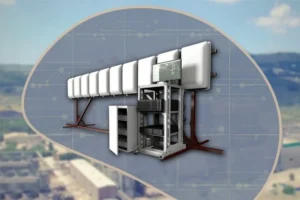
The private aerospace corporation Novy Kosmos has tested a radar with a synthesized aperture for drones. It uses a unique stabilisation algorithm that allows you to obtain clear radar images even in an unstable position.
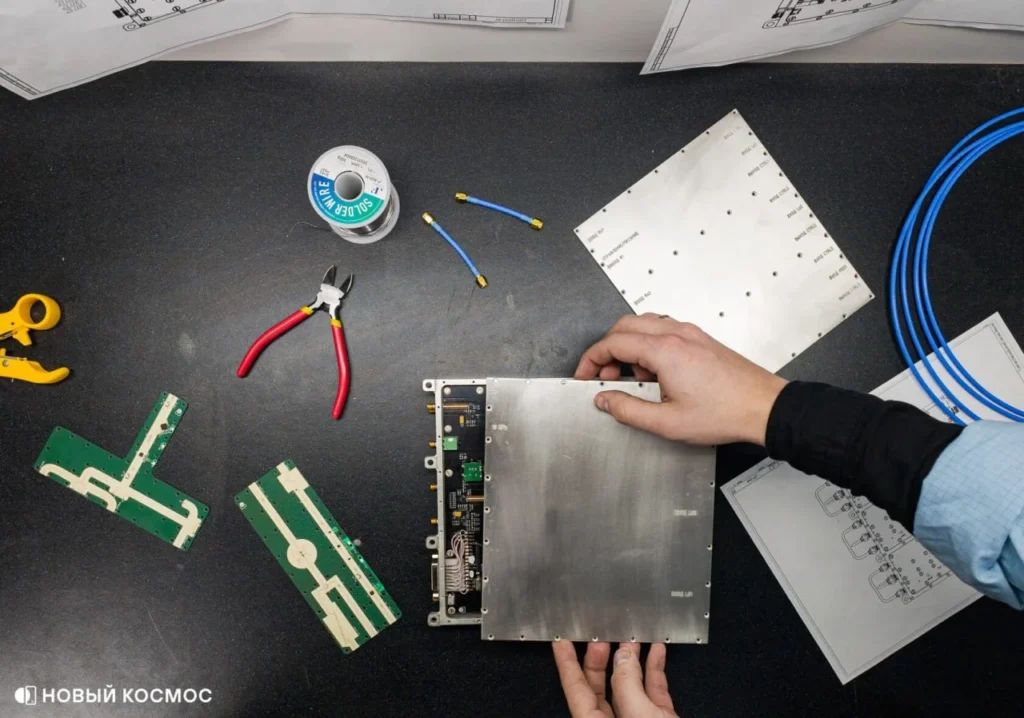
The radar, which has an integrated algorithm based on technologies for space satellites, and in an improved version, will allow you to “see” objects even behind obstacles.
The Dronoboy complex for combating UAVs
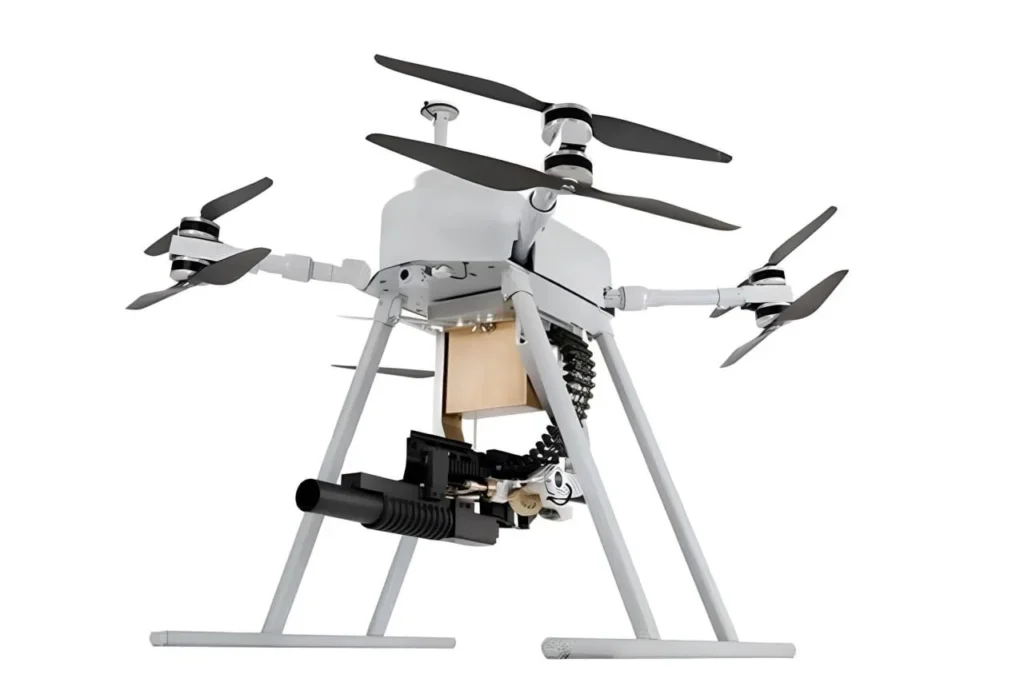
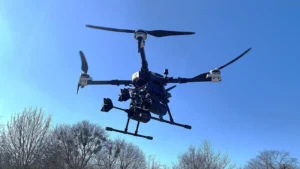
Dronoboy is a carrier drone with a combat module that can shoot down enemy drones. Simply put, it is a flying cannon that initiates the detonation of explosive weapons mounted on enemy drones with a strong flow of energy.
The drone can stay in the air for two to three hours in patrol mode. The combat module is reusable, small and structurally simple – it is made of cheap duralumin, and the number of parts is minimal. The development is at the patenting stage.
‘Rosteh’ systems to combat UAVs
Last week, the head of the Russian state corporation Rostec briefed Putin on recent upgrades to anti-drone systems. These included a modernised version of the Pantsir system and a new electronic warfare system called “Serp,” designed to detect and suppress drones.
The upgraded Pantsir SMD-E differs from the base model by using mini-missiles, which allows the system’s ammunition load to increase fourfold – from 12 to 48 missiles.
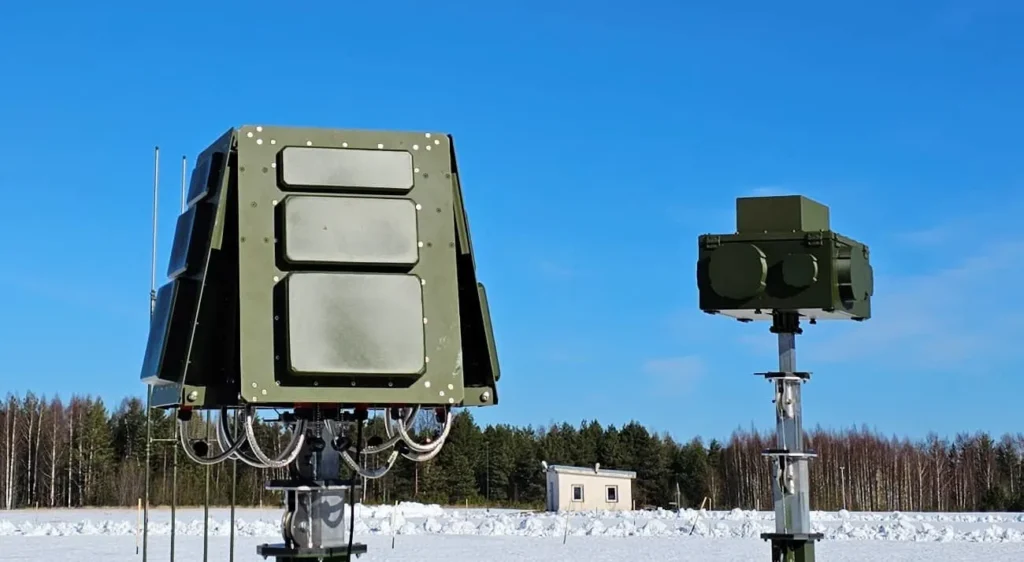
Meanwhile, the new EW system Serp-VS13D is reportedly capable of detecting and jamming even FPV drones operating across a wide frequency range.
Air-link EYE cellular communication system
The company Chistoye Nebo (CSKY), which develops and produces components and software, has updated its Air-link EYE cellular communication system for UAVs, turning it into a service with elements of a cloud ground control station.
Now it can track:
- the location of the drone on the map;
- information messages from the autopilot;
- all the necessary telemetry, including course, altitude and battery level;
- video stream from the UAV camera.
Bulat-online drone detection system
3mx presented the automatic drone detection system Bulat-online at the St. Petersburg International Economic Forum. The forum’s security is also ensured by this system.
A single situational centre equipped with a monitoring system receives data simultaneously from three types of devices – stationary drone detectors, personal and automotive. The monitoring platform processes and visualises data about the UAV, its movement and characteristics, as well as about the movement and activity of the detectors themselves and their carriers.
As stated, the development can be integrated with other systems, for example, video recording to receive video online, since the device supports the protected EGTS protocol. Bulat-online eliminates the human factor and can work 24/7 without the participation of an operator. It is also capable of operating in spoofing conditions.
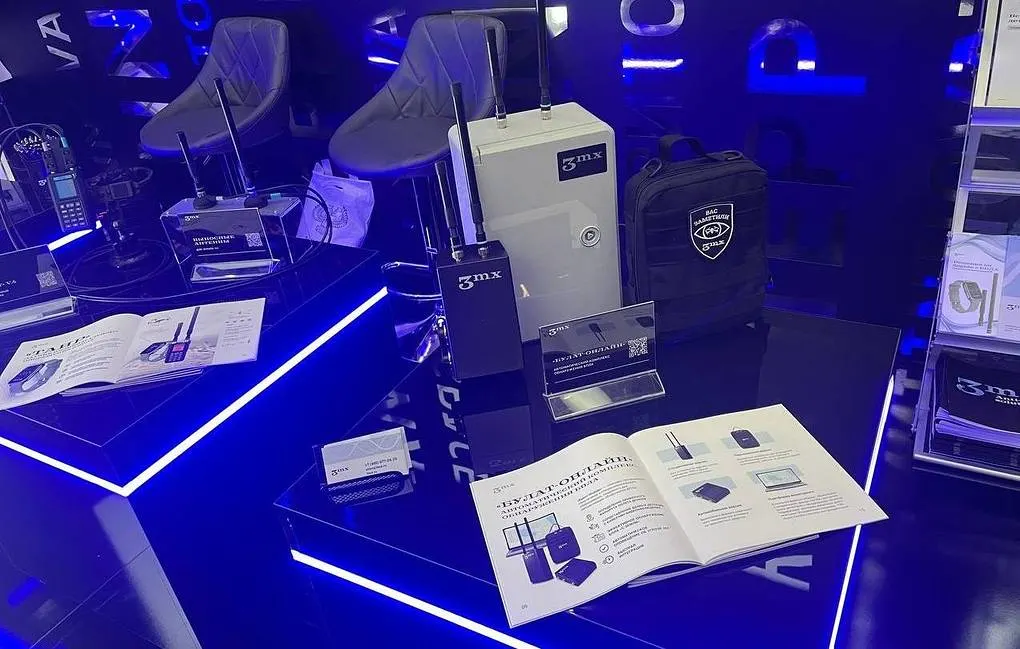
The system has an onboard Wi-Fi antenna for tethering to public Wi-Fi access points, allowing you to tether to a location without GPS. The devices form a connection between each other and have their own secure network, so they can perform tasks even under conditions of Internet suppression.
Russian drones begin to understand voice commands
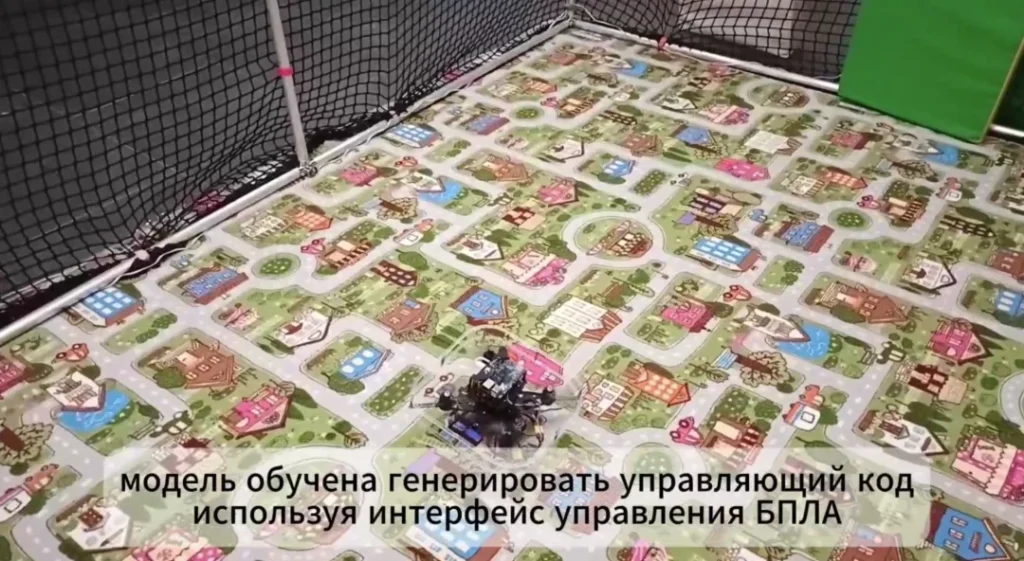
Russian developers from DroneCam shared a video of the prototype of a UAV voice control system. It consists of a neural network speech recognition module, a large language model for generating commands, and an integrated processing system on board the drone.
Onboard processing allows for complete autonomy without an Internet connection, minimal delays in processing commands, and no dependence on external servers and cloud services.
Shahed with machine vision
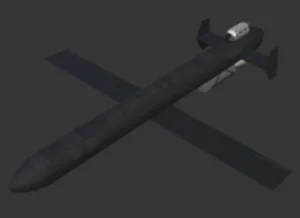
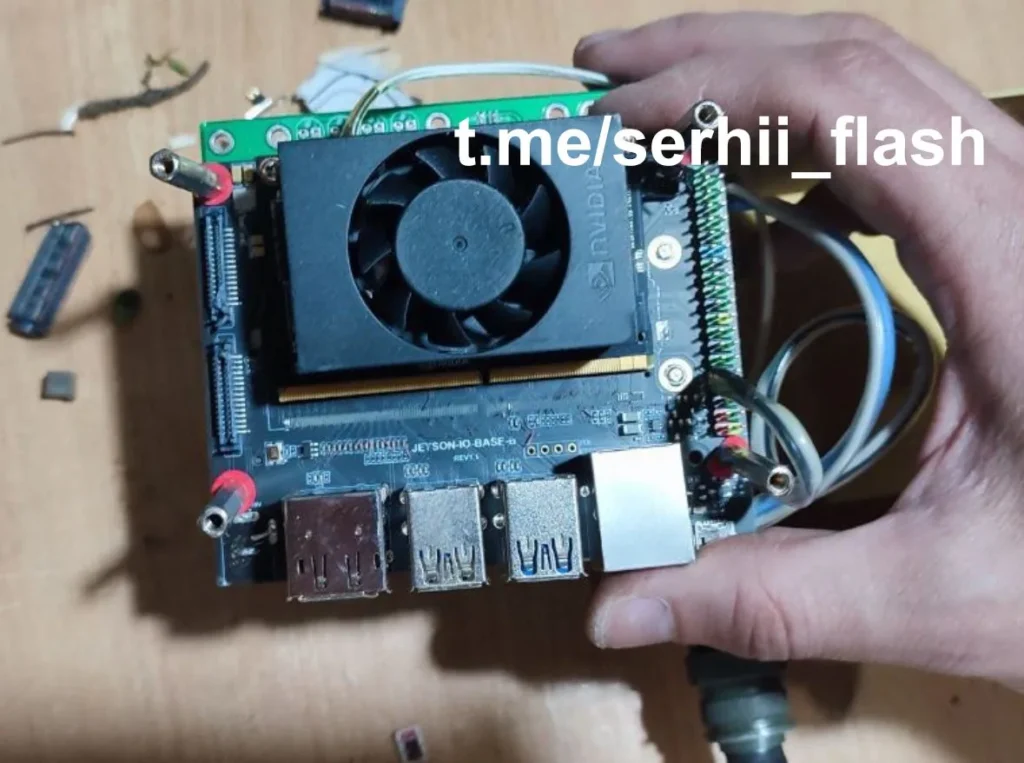
For the first time, Ukrainian forces have detected a Shahed drone equipped with a camera, a direct radio control system operated from Russian territory, and an artificial intelligence module—specifically, a machine vision system. According to expert Serhii “Flash” Beskrestnov, the development of such a Shahed had been known for some time, but this is the first confirmed instance of its use.
The expert notes that the radio modem enables operators to control the drone from up to 150 kilometers away—either from the Russian border or the front line—or at even greater distances if airborne relays are used.
In addition, Russia is building new sites for the production of Shaheds. The International Institute for Strategic Studies (IISS) recorded that since 2023, the production area in the Alabuga special economic zone has doubled – 5 new buildings have appeared, some of which are equipped with protective structures from Ukrainian drones and fenced off.
By submitting this form, you give Defender Media consent to the processing of personal data.
Надсилаючи цю форму, ви надаєте Defender Media згоду на обробку персональних даних.
Latest news
1
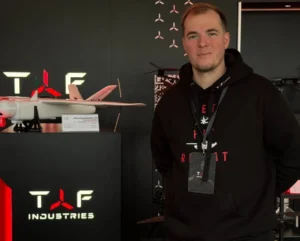
Volodymyr Zinovskyi has replaced TAF Industries founder Oleksandr Yakovenko as the company’s CEO
2
Skyeton unveils a version of Raybird UAV with a hydrogen-powered electric motor
3
The Ukrainian Council of Defence Industry launches the UCDI Investor Club. Its first project is a Ukrainian defence tech dealbook
4
Ukrainian CHUMA fibre-optic drones debut on Brave1 Market — carry up to 4 kg
5