Black Mirror #37: Svarog, Koschei, SIM card tests for Shahed, and Russian map of Ukrainian UAV manufacturers
A review of Russian military-technology developments from the second week of December
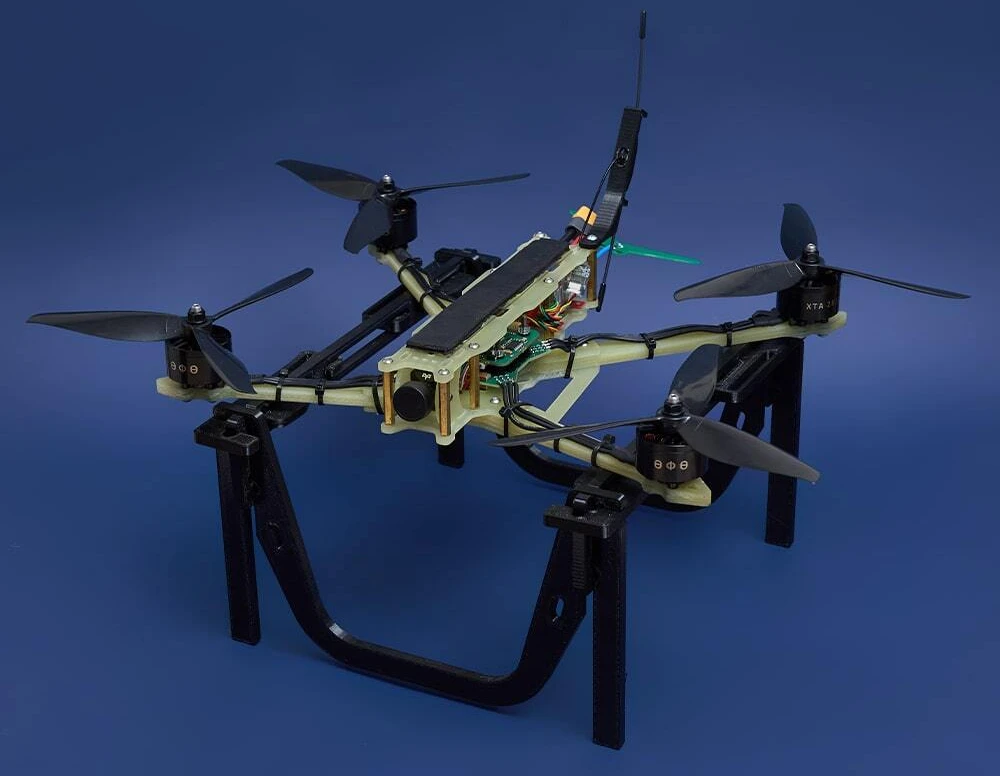
The Russians continue to develop new heavy drones for remote mine-laying, are testing surface drones for naval operations, and claim to have identified all Ukrainian UAV development and production sites. More on the latest Russian military tech in this week’s Defender Media review.
Russian hackers generate a map of Ukrainian defence facilities
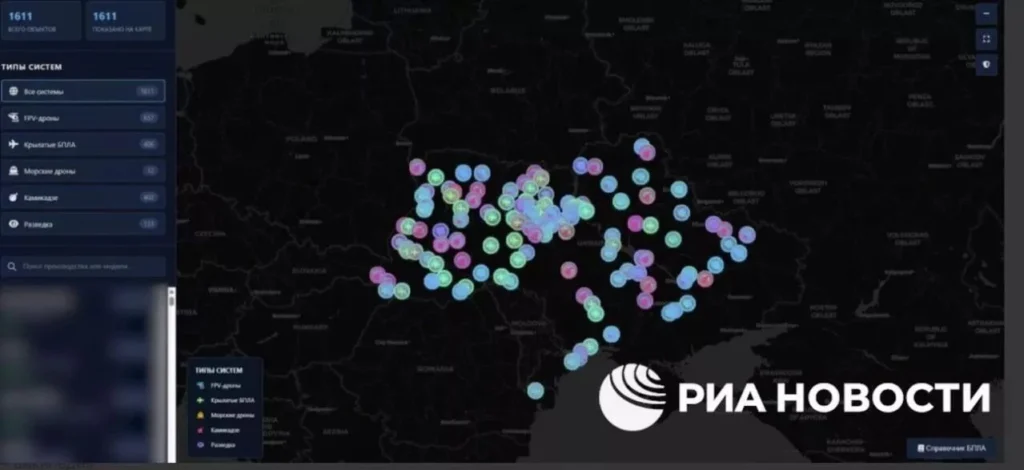
On 10 December 2025, the Russian hacker group KillNet announced the creation of an interactive MATRIX map showing enterprises and workshops producing unmanned aerial vehicles in Ukraine. According to the group, the map was compiled using data obtained from cyberattacks. Each point on the map corresponds to a site manufacturing drones or their components.
KillNet claims the map includes data on over 850 FPV drone workshops, around 720 large UAV production facilities, 45 marine UAV sites, approximately 380 kamikaze attack drone sites, and 136 reconnaissance drone facilities. The authors state that the map is updated in real time.
Russians test mobile SIM cards in Kazakhstan and Turkey
The Russians are testing mobile SIM cards for trackers used in Shahed-type drones in Kazakhstan and Turkey, according to analyst Serhii “Flash” Beskrestnov.
SIM cards from Russian operators with roaming packages in Belarus are used for the modems. In Turkey, Russian specialists are also testing SIM cards from various countries, checking data transmission speeds, network registration times, delays, and VPN connections. These experiments are linked to testing trackers and communications channels for UAVs deployed by Russia for attacks on Ukraine.
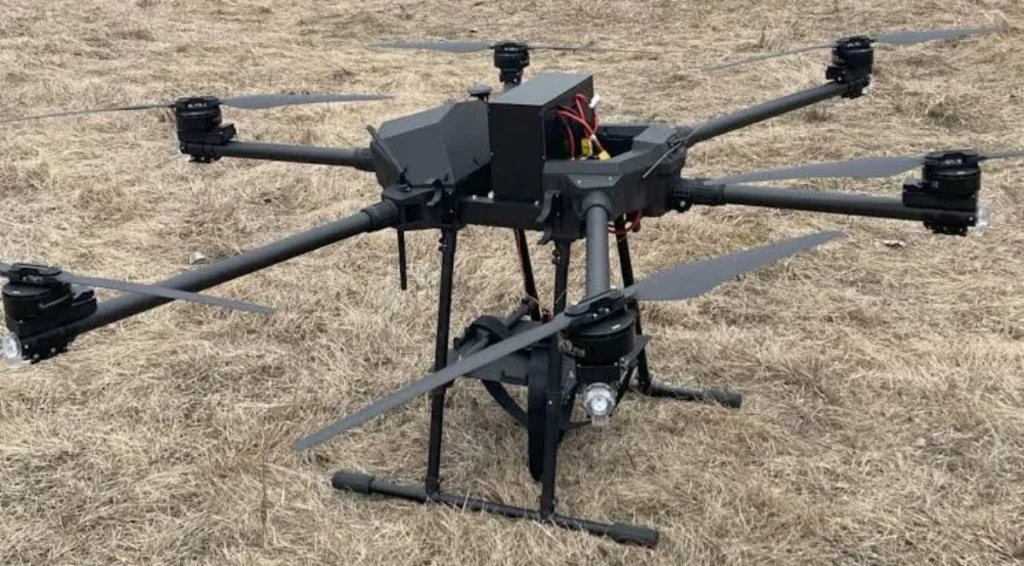
Heavy drone Cherny Korshun‑15
Russia has begun full-scale testing of the transport and logistics hexacopter Cherny Korshun‑15, with a payload capacity of over 100 kg. According to the manufacturer, the platform is intended to transport ammunition, equipment, medical supplies, and other large cargo. The drone is equipped with a universal rigid carriage system.
The manufacturer also notes that the drone can carry and drop TM‑62M mines. It is currently undergoing testing under conditions close to combat.
Autonomous diver support platform
Engineers at the Saint Petersburg State Marine Technical University have developed and tested an autonomous surface platform for supporting divers during underwater operations. The drone is designed to follow a diver autonomously, illuminate the work area, relay data, and interact with autonomous underwater vehicles.
The drone has two engines, a GPS module, a radio communication system, and hydroacoustic sensors. During trials, it reached designated coordinates, detected acoustic beacons, and performed tasks in low temperatures and icy water. The platform does not require cables or tethers to maintain contact with the diver.
Extended Svarog‑17 for remote mine-laying and Svarog 4T
Russians plan to test the heavy Svarog‑17 drone for delivering TM‑62 mines up to 20 km. It features a propeller engine and next-generation batteries, allowing it to operate over long distances. Flight range has not been specified, presumably because testing is ongoing.
Another model, the Svarog 4T Lite V2.0, is a cargo drone with a digital communications system. According to developers, it is “similar in characteristics to Mavic-type drones” but designed for cargo delivery. The digital system enables stabilization, hovering over targets, and autonomous route flights.
The Svarog 4T can carry up to 3 kg, has a thermal camera, and a range of up to 15 km.
Koschei bomber drone carries up to six munitions
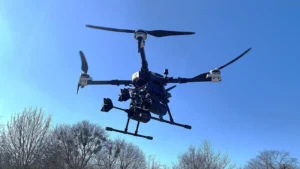
On the Pokrovsk and Kostyantynivka directions, Russians have begun using the heavy bomber hexacopter Koschei, according to the developer, Dominanta. In October, similar heavy drones were reportedly used on the Lyman direction.
Koschei can carry three to six munitions, with a total payload of 12–15 kg. Its flight radius is up to 30 km and can be extended with a communications relay. The drone is also used for logistical support, delivering ammunition and other supplies to areas with limited access.
Underground UAV laboratory
Russian media report the establishment of a “multi-kilometre underground laboratory” for UAV operations in a combat zone, controlled by the Russian formation “Sever”.
The laboratory is intended for upgrading existing drones, developing new models, and analysing and adapting UAV technologies for various combat tasks. Details of specific developments are not disclosed. Independent verification, including photos or documentation, is not available in open sources.
Drone detection and suppression platform
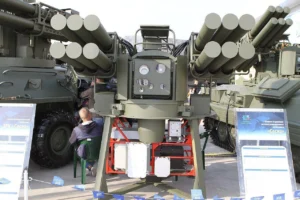
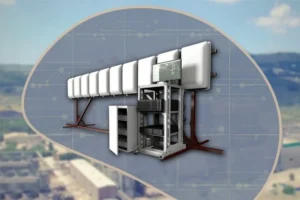
Russia has tested a prototype platform for detecting and suppressing drones. The system, developed by Azimut within Rostec, is described as protecting the population and infrastructure.
The pilot project integrated detection, tracking, and suppression systems into a single platform. Data from specialized systems were managed and processed via the automated Jupiter platform, which displays information on UAVs, protected sites, incidents, and potential threats.
The platform includes radar, video surveillance, and other systems providing comprehensive drone protection.
By submitting this form, you give Defender Media consent to the processing of personal data.
Надсилаючи цю форму, ви надаєте Defender Media згоду на обробку персональних даних.
Latest news
1

Volodymyr Zinovskyi has replaced TAF Industries founder Oleksandr Yakovenko as the company’s CEO
2
Skyeton unveils a version of Raybird UAV with a hydrogen-powered electric motor
3
The Ukrainian Council of Defence Industry launches the UCDI Investor Club. Its first project is a Ukrainian defence tech dealbook
4
Ukrainian CHUMA fibre-optic drones debut on Brave1 Market — carry up to 4 kg
5