January 12, 2026
The VTOL reconnaissance drone is already proving itself in combat missions over Russian and Ukrainian territory
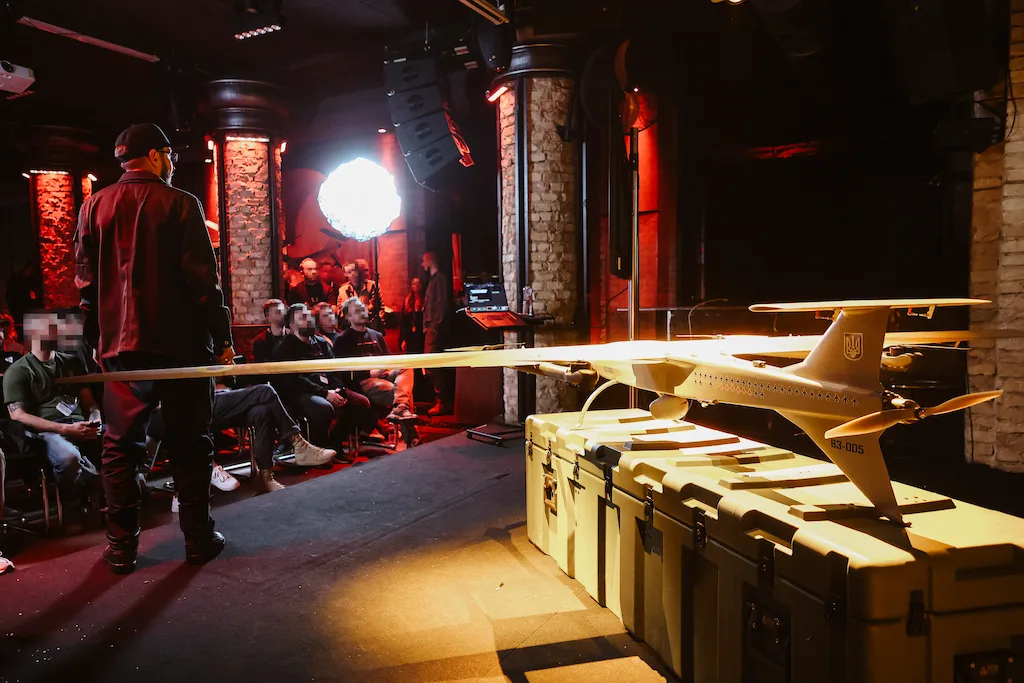
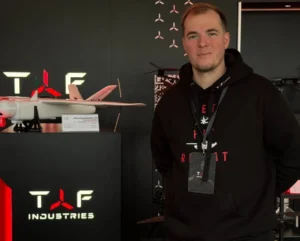
On May 29, Defender Media attended a closed-door event titled Synchronization Point 1.0, hosted by Buntar Aerospace. The highlight of the event was the presentation of the Buntar-3 reconnaissance UAV, which company co-founder Bohdan Sas revealed in a March interview. The startup is now starting contract signings and preparing for the launch of serial production.
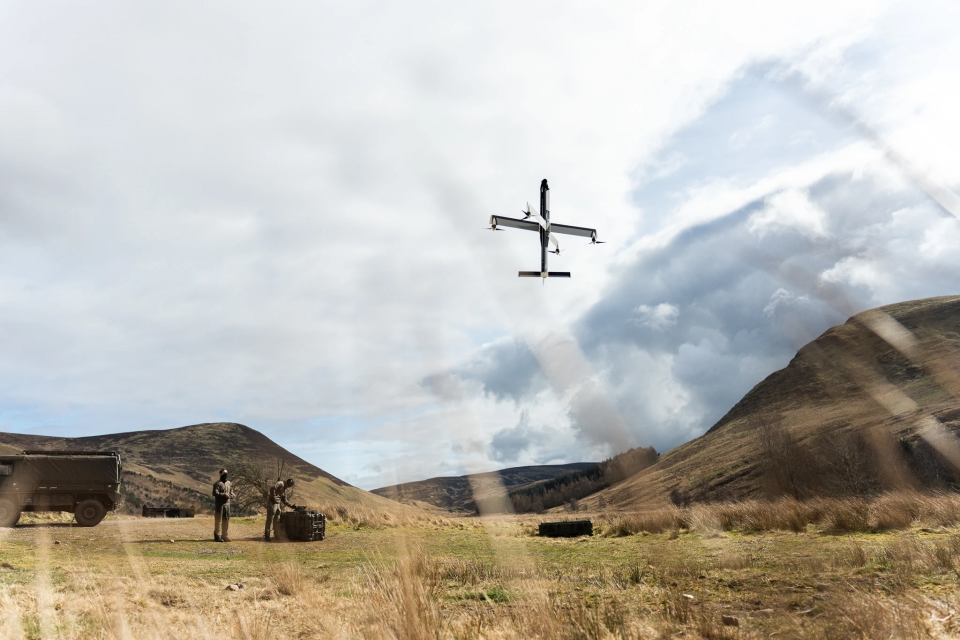
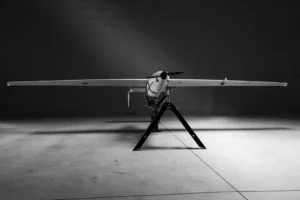
Buntar-3 is an electric vertical takeoff and landing (VTOL) reconnaissance drone. According to its developers, it offers the longest flight time among VTOL UAVs currently available on the market.
Key specs of the Buntar-3:
The company says that Buntar-3 has already passed all procedures required for codification and is currently awaiting official approval from the Ministry of Defence and inclusion in official registries.
Meanwhile, the Buntar-3 is already in active combat use across the Bryansk, Belgorod, Kupiansk, Lysychansk, Pokrovsk, Kurakhove, and Svatove fronts. Attendees were shown footage of the drone in action across these areas.тівському напрямках. Гостям подїї продемонстрували відео застосування дрона в цих районах.
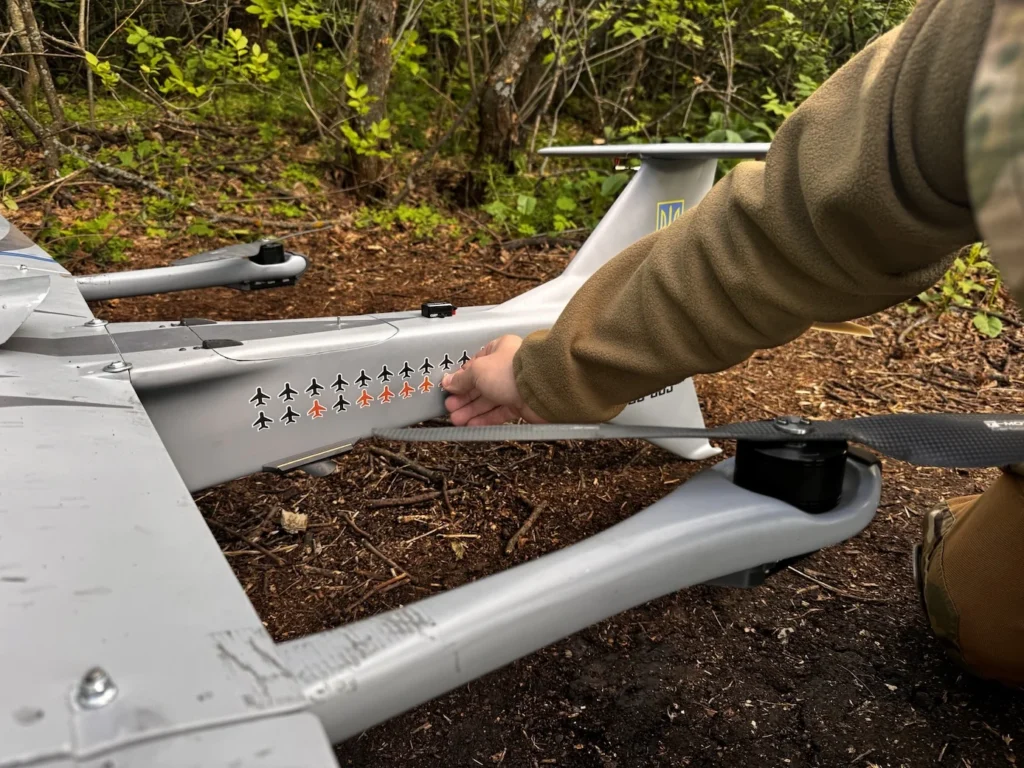
Key advantages of Buntar-3, as highlighted by the team:
A dedicated portion of the event was devoted to presenting the Copilot software interface installed on Buntar-3. According to the developers, Copilot reduces the risk of UAV loss and enables one operator to control multiple drones simultaneously. The interface includes the DELTA situational awareness system, weather services, elevation maps, and more.
Copilot leverages artificial intelligence to automate some pilot functions and handle routine tasks. It supports decision-making and alerts the operator to potential risks.
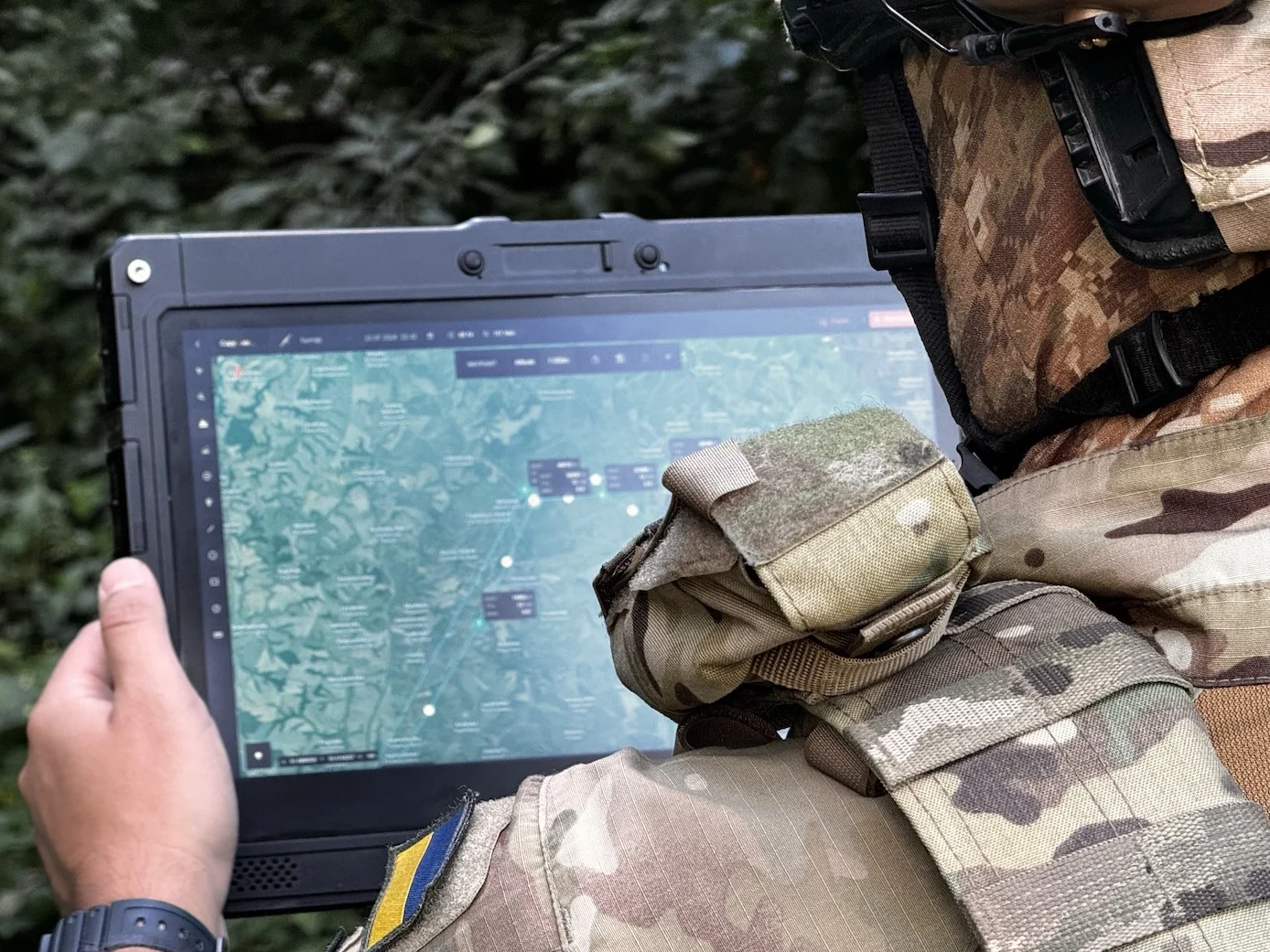
“Copilot is the operator’s combat assistant,” says Buntar Aerospace. “It forecasts mission scenarios, helps avoid mistakes under stress, calculates flight order, ensures uninterrupted coverage, and provides centralised multi-camera livestreaming. All management is in a single interface that can control several aircraft at once.”
The company also emphasises that Buntar-3’s architecture allows rapid adaptation of both hardware and Copilot software to meet specific unit requirements. Contracting for Buntar-3 is now underway, and serial production is being prepared — though volumes are not disclosed for security reasons.
Synchronization Point 1.0 also featured a panel discussion with combat commanders, government representatives, and entrepreneurs. Key discussion points included:
By submitting this form, you give Defender Media consent to the processing of personal data.
Надсилаючи цю форму, ви надаєте Defender Media згоду на обробку персональних даних.